

Many students study for long hours and still forget most of it by exam day. The problem is usually not effort but method. The most common study habits, re-reading textbooks, highlighting and copying notes neatly, feel productive but are among the least effective ways to learn. Research in cognitive psychology points to a handful of techniques that work much better.
Why re-reading feels good but does not work

When you re-read a chapter, the material starts to feel familiar. That familiarity is easy to mistake for understanding. But recognising information when you see it is very different from recalling it on a blank exam paper. Highlighting has a similar problem: it marks information without forcing your brain to work with it.
Effective study techniques share one feature: they make your brain work harder to retrieve and use information. That effort is what makes memories stick.
1. Active recall: test yourself

Instead of reading notes again, close the book and try to recall what you learned. You can:
- Write down everything you remember about a topic on a blank page, then check against your notes
- Answer questions at the end of a chapter without looking
- Use flashcards with a question on one side and the answer on the other
- Explain a concept out loud as if teaching someone else
Research on the “testing effect” shows that practising retrieval leads to much better long-term retention than spending the same time re-studying. Struggling to remember is not a sign of failure; it is part of what strengthens memory.
2. Spaced repetition: review over time

Cramming the night before may help you scrape through the next morning, but most of it fades quickly. Spreading your reviews out over days and weeks produces much more durable learning.
A simple schedule for a new topic:
- Review it the day after you first learn it
- Review again a few days later
- Then after about a week
- Then after a few weeks
Each review should use active recall, not re-reading. Flashcard apps that schedule reviews automatically can make this easy, but a simple notebook or calendar works too.
3. Interleaving: mix up your practice

Many students practise one type of problem at a time: twenty questions on one formula, then twenty on the next. Exams, however, mix question types, and the real challenge is recognising which method to use. Interleaving means mixing different types of problems or topics within a study session. It feels harder, but research suggests it improves your ability to choose the right approach, especially in subjects like maths and physics.
4. Elaboration: ask why and how

Connect new information to what you already know. As you study, ask yourself questions: Why does this happen? How is this similar to or different from that concept? What is a real-world example? Elaboration builds a web of connections, making information easier to recall and apply.
5. Use examples and visuals
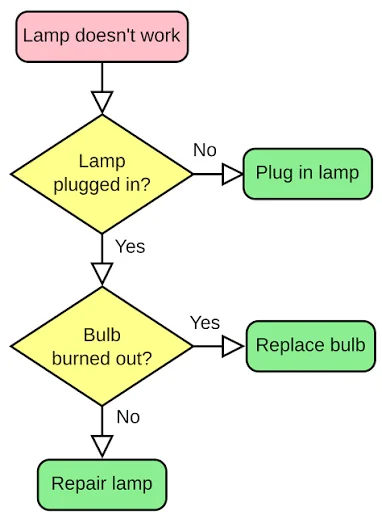
Abstract ideas are easier to understand and remember with concrete examples. Combine words with visuals: flowcharts, diagrams, timelines and mind maps. Drawing a diagram from memory is itself a powerful form of active recall.
6. Practise under exam conditions

Solving previous years’ question papers and mock tests within the actual time limit is one of the best forms of preparation. It combines active recall with practice in time management and helps reduce exam anxiety. Review every mistake carefully and note why you made it.
Protect your focus
- Study in focused blocks of 25–50 minutes, followed by a short break.
- Keep your phone in another room or switch on a focus mode. Even a phone that is face-down on your desk can be a distraction.
- Set a specific goal for each session, such as “solve 15 questions on electrostatics”, not just “study physics”.
Do not underestimate sleep

Sleep plays an important role in consolidating what you learn. Pulling all-nighters before exams often backfires, leaving you tired and less able to recall information. Regular sleep, exercise and proper meals are part of an effective study plan, not distractions from it.
A sample weekly routine
- Learn new material in focused sessions, making brief notes in your own words.
- At the end of each day, spend 15 minutes recalling what you learned without notes.
- Each day, review older topics using flashcards or practice questions.
- Once a week, take a mixed practice test covering everything studied so far.
- Review your mistakes and add difficult items to your flashcards.
The bottom line
Studying longer is not the same as studying better. Test yourself instead of re-reading, spread your reviews over time, mix up your practice and connect ideas. These techniques feel harder in the moment, but they lead to far stronger learning, and to exam days with fewer surprises.