

Train travel remains one of the best ways to see India. It is affordable, often more comfortable than a long bus journey, and far more interesting than a flight. But for first-timers, and even for regular travellers, the choice of classes, quotas and booking rules can be confusing. This guide explains the options in plain language.
The main classes, explained
Classes vary by train, and not every train has every class. Here are the ones you will most often see:
First AC (1A): The most expensive class, available on some long-distance trains. Lockable cabins of two or four berths offer privacy, more space and bedding.
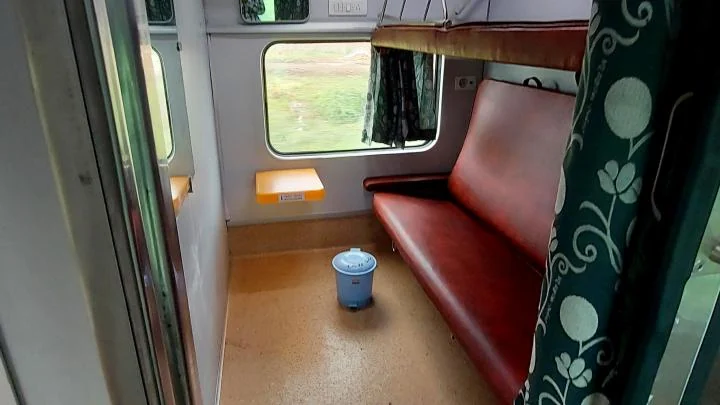
AC 2-tier (2A): Open bays with berths in two tiers (lower and upper) plus side berths. Curtains provide some privacy. Fewer people per bay than 3A, and bedding is provided.
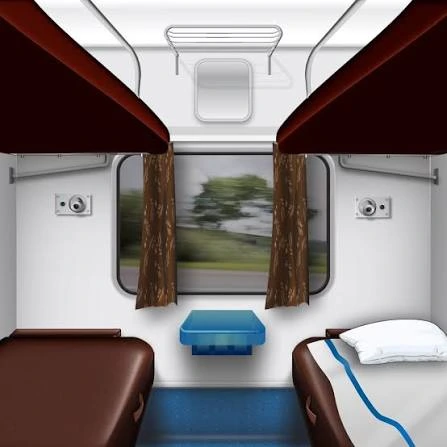
AC 3-tier (3A): The most popular AC sleeper option. Berths are in three tiers (lower, middle and upper) plus side berths. Bedding is provided on most trains.
AC 3-tier Economy (3E): Similar to 3A but with slightly less space, found on some trains.
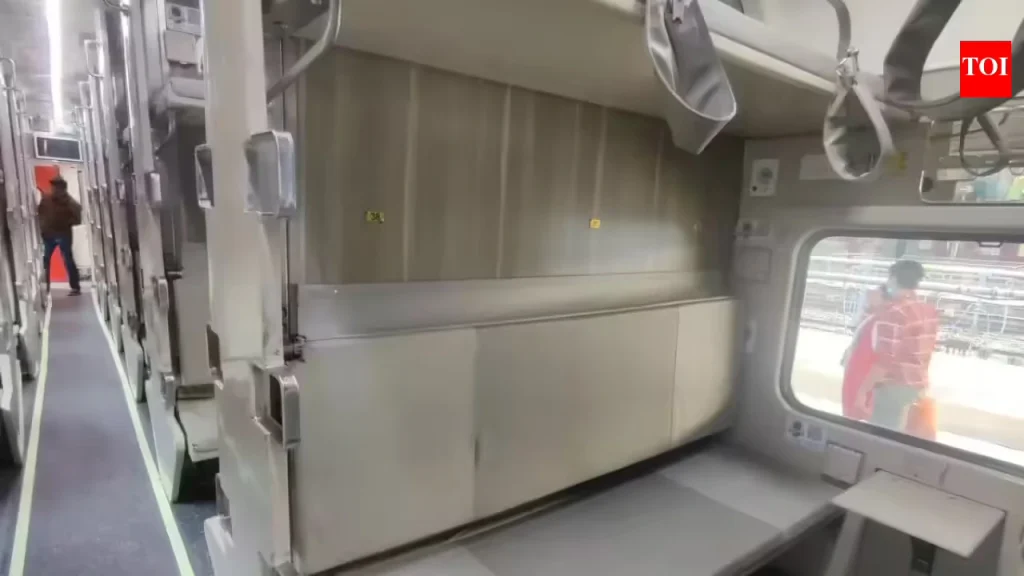
Sleeper (SL): Non-AC sleeper coaches with three-tier berths and open windows. Very affordable, but crowded on busy routes and hot in summer. No bedding is provided.
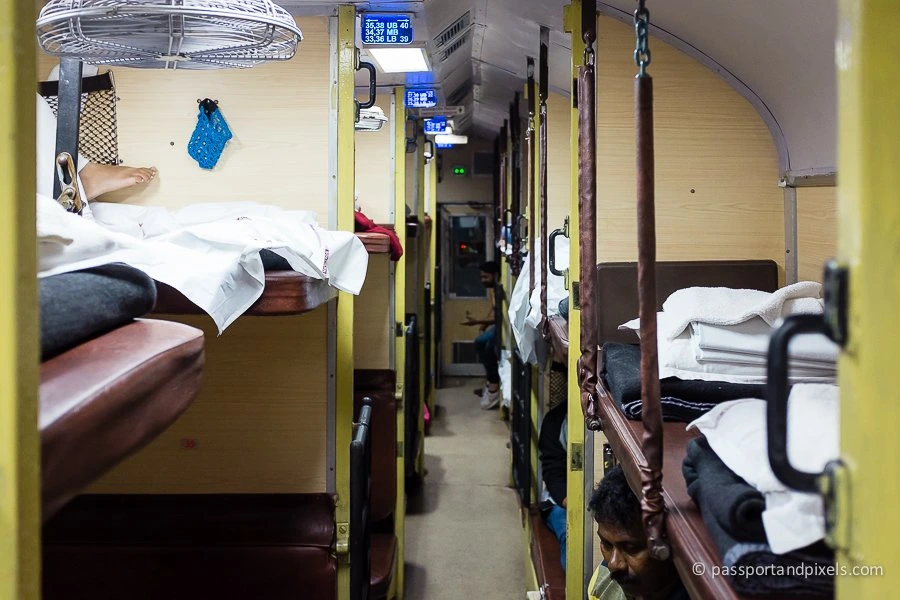
AC Chair Car (CC) and Executive Chair Car (EC): Reclining seats for daytime journeys, used on trains such as Shatabdi and Vande Bharat services. EC offers more space and comfort.
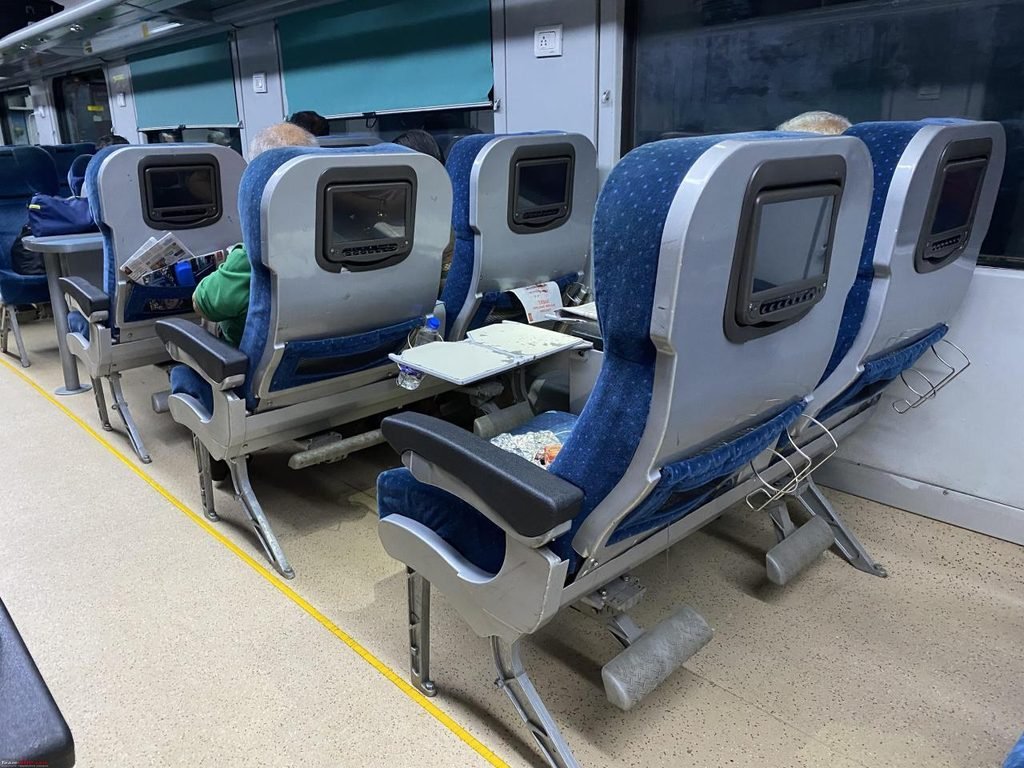
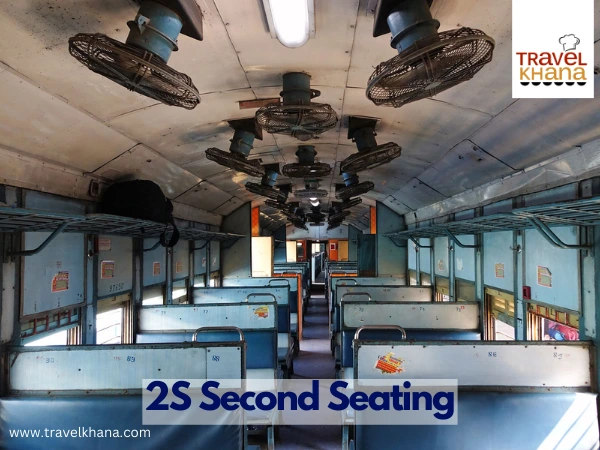
Second Sitting (2S): Non-AC reserved seating, mostly on day trains and short routes.
General / unreserved: No reservation; you buy a ticket and find space. Often extremely crowded.
Which class suits your trip?
Overnight journey, comfortable but affordable: 3A is the best balance for most travellers.
Overnight with more privacy, or travelling with elderly parents: 2A, for its quieter bays and fewer passengers.
Special occasion or a long journey where privacy matters: 1A, if available.
Day journey of a few hours: CC or EC on a fast train.
Tight budget and cooler weather: Sleeper class can be a good experience, especially on less crowded routes.
Choosing your berth
Lower berth: Best for elderly travellers and those who do not want to climb, but you will share it as seating during the day.
Upper berth: The most private option, and you can lie down any time. A favourite for solo travellers.
Middle berth: Folded up during the day, so you will need to wait until bedtime to lie down.
Side lower and side upper: Run along the corridor. The side upper is private; the side lower converts from two seats.
Berth preferences are not guaranteed, but booking early improves your chances. Senior citizens and some other passengers may get priority for lower berths under railway rules.
Booking tips
Book early. Popular trains, especially around festivals and holidays, fill up very quickly. Check the current advance reservation period on IRCTC, as it has been changed from time to time.
Understand waitlists. If a train is full, you may get a waitlisted (WL) or RAC (Reservation Against Cancellation) ticket. RAC lets you board and share a side berth; you may get a full berth if others cancel. Waitlisted e-tickets that remain waitlisted after the chart is prepared are usually cancelled automatically, with a refund.
Tatkal: A quota opened the day before travel for last-minute bookings, at a higher fare. It sells out within minutes on popular routes, so keep your details saved and log in early.
Check alternatives: Nearby stations, different trains on the same route or a different class may have availability.
Use official channels. Book through IRCTC or authorised agents and apps. Be wary of anyone promising “confirmed tickets” for an extra fee.
On the journey
Carry valid ID. You may need to show identity proof along with your ticket.
Pack for the coach. A light shawl for AC coaches, a small lock and chain for your luggage, a torch, hand sanitiser and some snacks.
Food: Many trains have pantry service, and you can pre-order meals to your seat at many stations through IRCTC’s e-catering. Pack some food of your own for long stretches.
Keep valuables close. Keep your phone, wallet and documents with you, especially at night and when the train stops at stations.
Help numbers: Indian Railways runs a helpline (139) for enquiries and assistance, and the RailMadad platform for complaints during your journey.
The bottom line
Pick 3A for most overnight trips, 2A or 1A when comfort and privacy matter, and chair cars for daytime journeys. Book early, understand the waitlist system and pack a few essentials, and a train journey can become a highlight of your trip rather than just a way to get there.