
The advice to drink “eight glasses of water a day” is everywhere, and it is not very useful. It ignores the most important variables: how hot it is, how much you sweat, how big you are and what else you eat and drink. An office worker in an air-conditioned building in Bengaluru in December and a delivery rider in Nagpur in May do not need the same amount of water, and pretending otherwise leaves some people under-hydrated and others forcing down water they do not need.
This guide explains how to judge your own needs in hot weather, when plain water is not enough and which warning signs mean you need medical help.
Why there is no single number
Your body loses water constantly through breathing, urine and sweat. In mild conditions, much of that loss is replaced by what you drink and by the water in food. Dal, rice, curd, fruits like watermelon and vegetables like cucumber and lauki contribute a meaningful share of daily fluid. In heat, sweat loss rises sharply, and it can rise to more than a litre an hour during hard physical work or exercise in the sun.
Health bodies publish general reference intakes for total water (from food and drinks combined), and these are often in the range of roughly 2 to 3 litres a day for adults in temperate conditions. They are averages for planning, not personal prescriptions. In an Indian summer, people who work or travel outdoors often need considerably more.
Practical ways to judge your own needs
- Thirst: For most healthy adults, thirst is a reasonable guide in daily life. Do not ignore it, especially in heat.
- Urine colour: Pale straw-coloured urine generally suggests you are well hydrated. Dark yellow urine, or passing very little urine, suggests you need more fluid. Some vitamins and medicines can change urine colour, so use this as a guide rather than a test.
- Before and after activity: If you exercise or work outdoors, weighing yourself before and after a session gives a rough idea of fluid lost through sweat.
- Your day: Commuting by two-wheeler, standing at a stall, walking a site or cooking over a hot stove all raise your needs, even if you do not feel you are “exercising”.
When plain water is not enough
Sweat carries salt, mainly sodium, along with smaller amounts of potassium and other minerals. When you sweat heavily for hours and replace it only with large amounts of plain water, you can end up short on salt. In most people this shows up as tiredness, headache or muscle cramps, and in rare cases it can be serious.
This is where traditional Indian summer drinks are genuinely helpful:
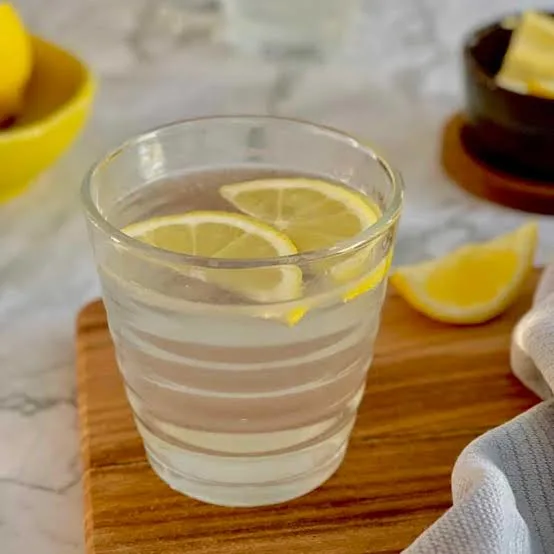
Nimbu pani with a pinch of salt and sugar replaces fluid along with some sodium and energy.
Chaas (buttermilk) with salt and roasted jeera provides fluid, salt and a little protein.

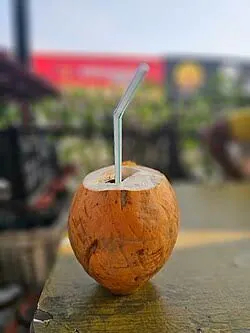
Coconut water is a good source of potassium, though it is relatively low in sodium, so it is not a complete replacement after very heavy sweating.
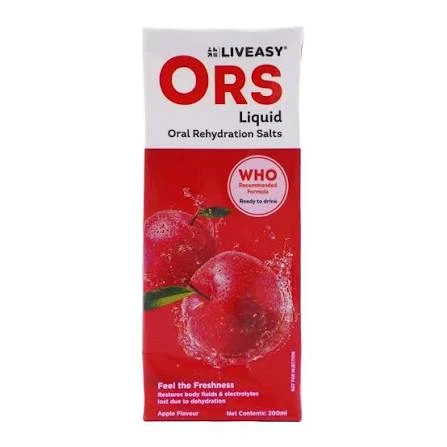
ORS (oral rehydration solution) is the right choice when someone has diarrhoea or vomiting, or is clearly depleted after heat exposure. Use a WHO-formula ORS and mix it exactly as the packet says. Many fruit-flavoured “energy” drinks are not ORS, even when the packaging looks similar.
Can you drink too much water?
Yes, although it is uncommon. Drinking very large volumes of plain water in a short time, particularly during long endurance events, can dilute the sodium in your blood, a condition called hyponatraemia. Symptoms can include nausea, headache, confusion and, in severe cases, seizures. The practical lesson: drink steadily through the day rather than gulping litres at once, and include salt when you are sweating heavily for long periods.
People with heart failure, kidney disease or certain other conditions are sometimes told by their doctors to limit fluids. If that applies to you, follow your doctor’s instructions rather than general advice like this.
Heat exhaustion and heatstroke: know the difference
Dehydration and heat often arrive together. Recognising the signs early matters.
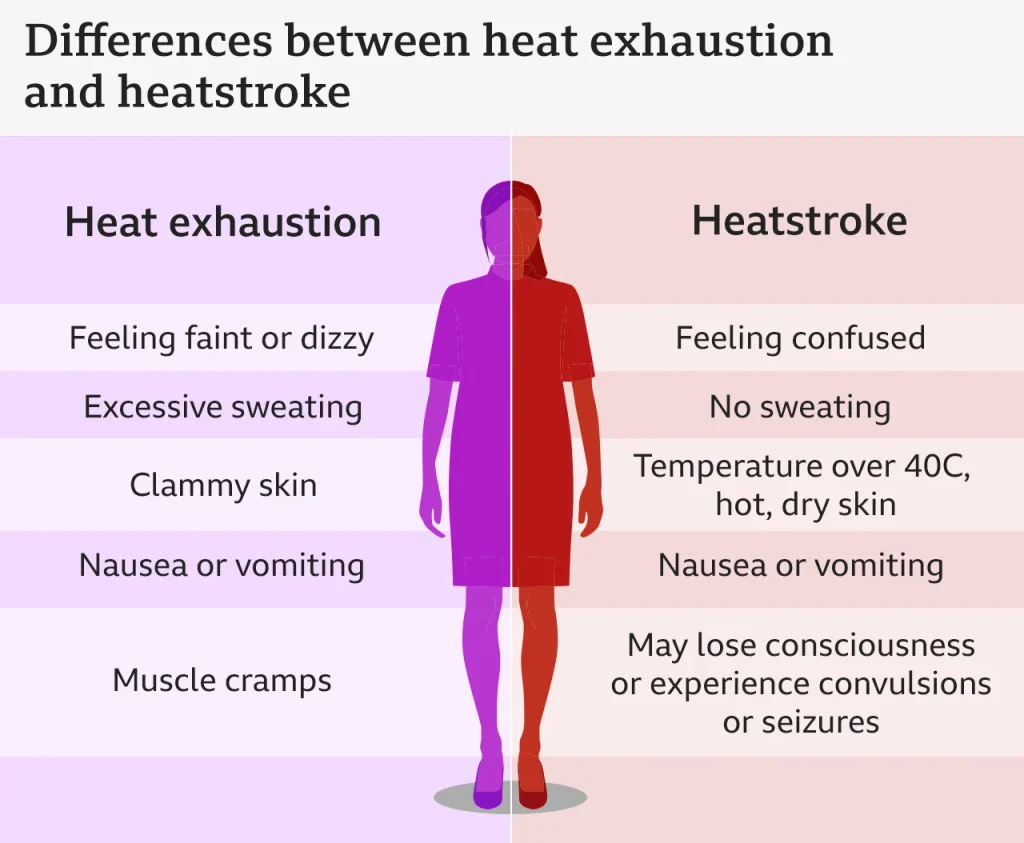
Heat exhaustion
- Heavy sweating, weakness and dizziness
- Headache, nausea or cramps
- Cool, clammy skin and a fast pulse
Move to a cool place, loosen clothing, sip fluids such as ORS or salted lemon water, and cool the skin with wet cloths. Seek medical help if symptoms do not improve within about an hour or are getting worse.
Heatstroke is a medical emergency
- Very high body temperature
- Confusion, slurred speech, unusual behaviour or fainting
- Hot skin, which may be dry or still sweating
- Seizures
Call for emergency help immediately (108 in most Indian states). While waiting, move the person to shade, cool them with water and fanning, and do not force drinks on someone who is confused or unconscious.
Simple habits for hot days
- Start the day with a glass of water, and carry a bottle when you go out.
- Plan outdoor work, errands and exercise for early morning or evening.
- Eat water-rich foods: seasonal fruit, curd, salads and lighter meals.
- Limit alcohol on hot days, and pay attention to how much tea and coffee you rely on instead of other fluids.
- Check on elderly family members, young children and people who work outdoors. They are at the highest risk in heatwaves.
The bottom line
There is no magic number of glasses. Let thirst and urine colour guide you, drink more when it is hot or you are active, and add some salt back when you sweat heavily. Most of all, learn the signs of heatstroke, because recognising it quickly can save a life.
This article is for general information and is not a substitute for advice from a doctor. If you have a medical condition, follow the guidance of your healthcare provider.