
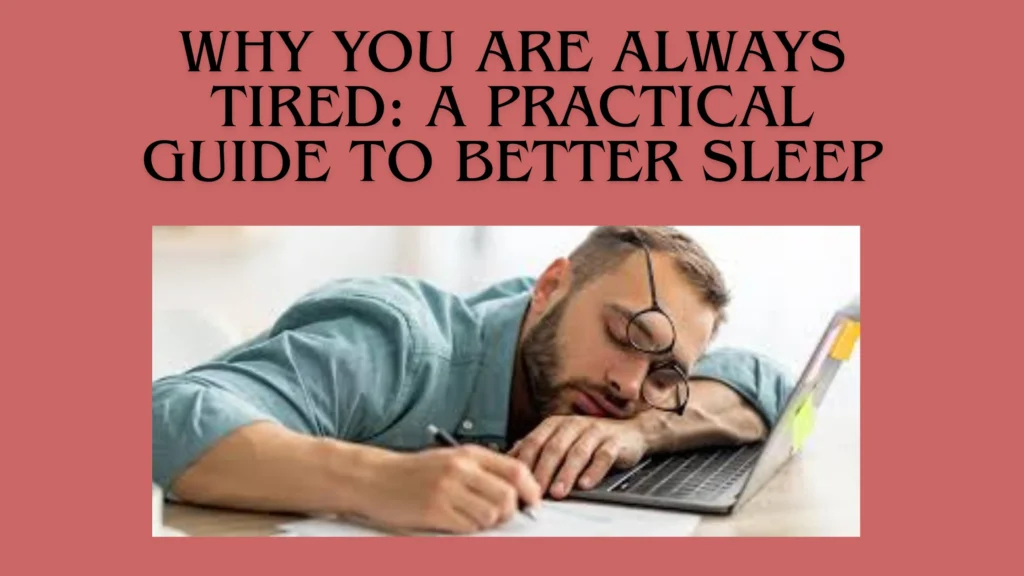
Late dinners, late-night scrolling, long commutes, work calls across time zones and noisy neighbourhoods: modern Indian city life is not designed for good sleep. Many people feel tired all the time and assume it is simply part of adult life. It does not have to be. Sleep is one of the most powerful levers for health, mood and productivity, and small changes can make a noticeable difference.
How much sleep do you need?
Most adults need at least seven hours of sleep a night on a regular basis. Teenagers need more, typically eight to ten hours. Some people do well on a little more or less, but consistently getting under seven hours is linked to problems with concentration, mood, immunity, weight and long-term heart and metabolic health.
Quality matters as much as quantity. Sleep that is often interrupted, or that comes at irregular times, is less refreshing even if the total hours look adequate.

Signs you are not sleeping enough
- You need an alarm every day and hit snooze repeatedly.
- You feel sleepy during meetings, while reading or after lunch.
- You rely heavily on tea or coffee to get through the day.
- You sleep much longer on weekends to “catch up”.
- You feel irritable, forgetful or find it hard to focus.
What gets in the way
Irregular timing: Going to bed at 11 one night and 2 the next confuses your body clock.
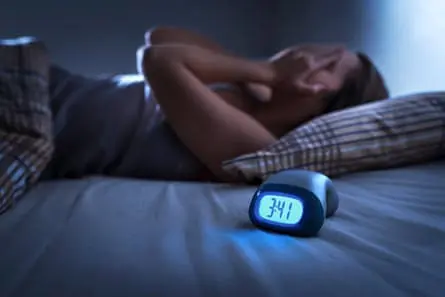
Screens in bed: Phones and laptops keep the mind alert, and the content keeps you engaged long after you meant to stop.

Late, heavy dinners: Eating a large meal right before bed can cause discomfort and reflux.

Caffeine late in the day: Caffeine can stay in the body for hours. An evening cup of tea or coffee can affect sleep in some people.

Alcohol: It may help you fall asleep, but it disrupts sleep later in the night.

Noise, light and heat: Traffic, streetlights and hot rooms all make sleep lighter and more broken.

Stress: A racing mind is one of the most common reasons people cannot fall asleep.

Habits that help
Keep a consistent schedule
Go to bed and wake up at roughly the same time every day, including weekends. This is one of the most effective changes you can make, because it stabilises your body clock.
Use morning light
Getting daylight soon after waking, through a walk, time on the balcony or sitting near a window, helps set your body clock and can make it easier to feel sleepy at night.

Create a wind-down routine
Spend the last 30–60 minutes before bed doing something calm: reading, light stretching, a warm shower or listening to quiet music. Dim the lights and keep work out of this time.

Put the phone away
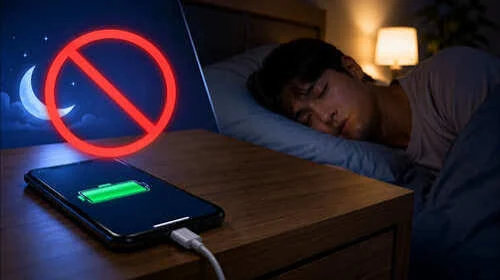
Charge your phone outside the bedroom if you can, or at least out of arm’s reach. If you use your phone as an alarm, consider a simple alarm clock instead.
Make your bedroom work for sleep
Keep the room as dark as possible, using blackout curtains if needed.
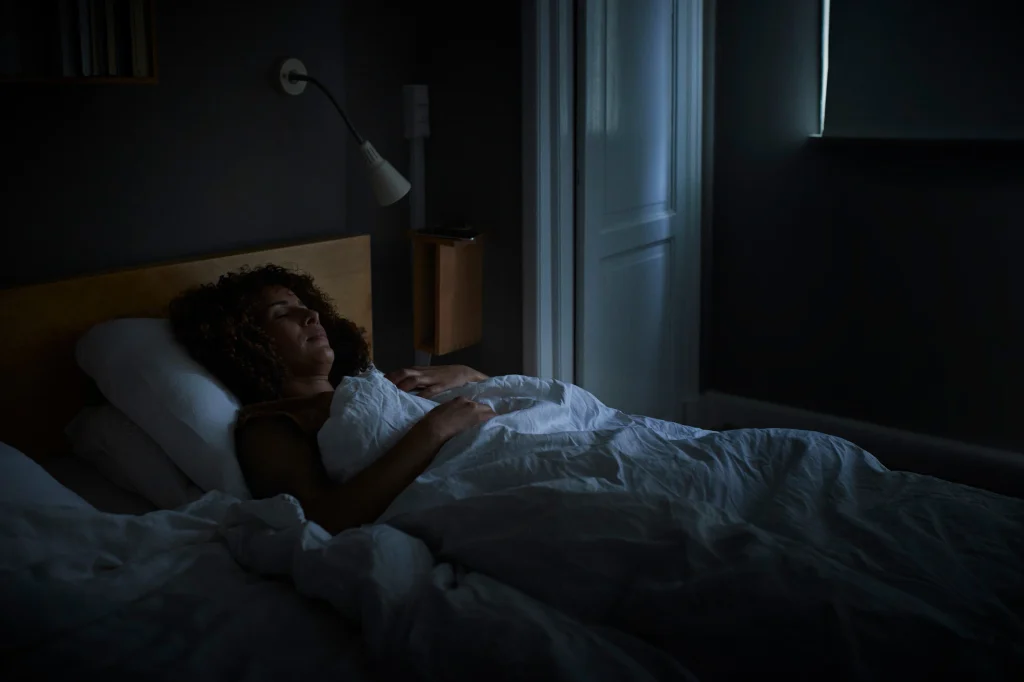
Keep it cool. A fan, cooler or AC set to a comfortable temperature helps, especially in summer.

Reduce noise with earplugs or a white-noise source if you live on a busy road.

Use the bed for sleep, not for work or long screen sessions.
Watch food and drink
- Finish dinner a couple of hours before bed where possible.
- Avoid caffeine in the late afternoon and evening.
- Limit alcohol, especially close to bedtime.
Be active during the day
Regular physical activity improves sleep quality for many people. Try to avoid very intense exercise right before bed if it keeps you wired.
If you cannot sleep, get up
Lying awake for a long time and watching the clock builds anxiety around sleep. If you cannot fall asleep after a while, get up, do something calm in dim light, and go back to bed when you feel sleepy.
Short naps: yes or no?
A short nap of 20–30 minutes in the early afternoon can boost alertness for some people. Long or late naps can make it harder to sleep at night. If you have trouble sleeping, it is usually better to skip naps.
When to see a doctor
Talk to a doctor if you:
- Have trouble falling or staying asleep most nights for several weeks
- Snore loudly, or someone has noticed you stop breathing or gasp during sleep. These can be signs of sleep apnoea, which is common and treatable
- Feel very sleepy during the day despite getting enough hours in bed
- Have restless, uncomfortable sensations in your legs at night
- Feel low, anxious or unable to switch off for long periods
The bottom line
Good sleep is built on consistent timing, a calm wind-down, a dark, cool, quiet room and a few sensible habits around screens, food and caffeine. Start with one or two changes, give them a couple of weeks, and notice the difference.
This article is for general information and is not a substitute for medical advice.