

Internships are often the bridge between college and a career. They help you apply what you have learned, build real skills, discover what you enjoy and add genuine experience to your resume. Yet many students struggle to land their first one, especially if they do not have family or college contacts in their chosen field. Here is a practical approach that works.
Step 1: Decide what you are looking for

Be clear about:
- The field or type of role you want to explore
- Whether you prefer remote, in-person or hybrid work
- How many hours you can commit alongside your studies
- Whether a paid internship is essential for you
Your first internship does not need to be at a famous company. Small companies and startups often give interns more responsibility and hands-on experience.
Step 2: Build the basics first

Before applying, make sure you have:
- A clear one-page resume highlighting your education, skills, projects and any activities
- A complete LinkedIn profile with a professional photo, headline and summary
- At least one or two relevant projects you can talk about. If you have none, create one: a small website, a data analysis, a marketing plan for a local business, a design portfolio or a short research paper
- A portfolio, GitHub or sample work, if your field involves visible output such as coding, design, writing or video
Step 3: Search in the right places
Your college placement or training cell: Many companies offer internships through campus channels.

Internship and job platforms: Dedicated internship portals and general job sites list thousands of opportunities. Set filters for your field and location.

Government internship programmes: Several ministries, public sector organisations and government bodies run internship programmes for students. Check official websites for current schemes and eligibility.
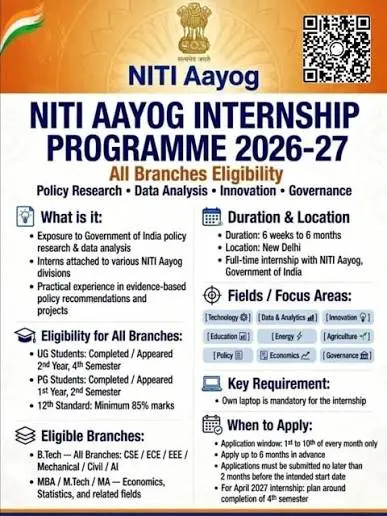
Company career pages: Many companies post internship openings only on their own websites.

LinkedIn: Search for internships and follow companies you are interested in.
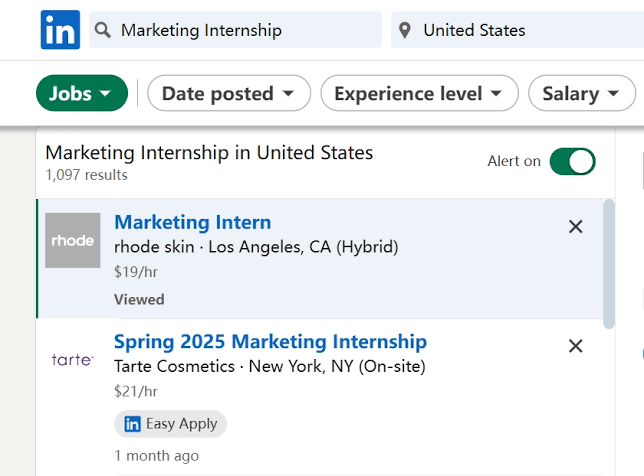
Startups: Startup communities, incubators and founders often hire interns directly.

Non-profits and NGOs: Excellent for building experience in research, communication, operations and social impact.

Step 4: Reach out directly

Not all internships are advertised. A thoughtful, direct message can open doors:
- Identify people in roles you are interested in, or founders of small companies and startups.
- Send a short, polite message or email. Introduce yourself, explain why you are interested in their work, mention a relevant skill or project, and ask whether they have internship opportunities or would be open to a short conversation.
- Attach or link your resume and portfolio.
- Follow up once after a week if you do not hear back. Do not spam.
Many people are happy to help students who show genuine interest and have done their homework.
Step 5: Write tailored applications
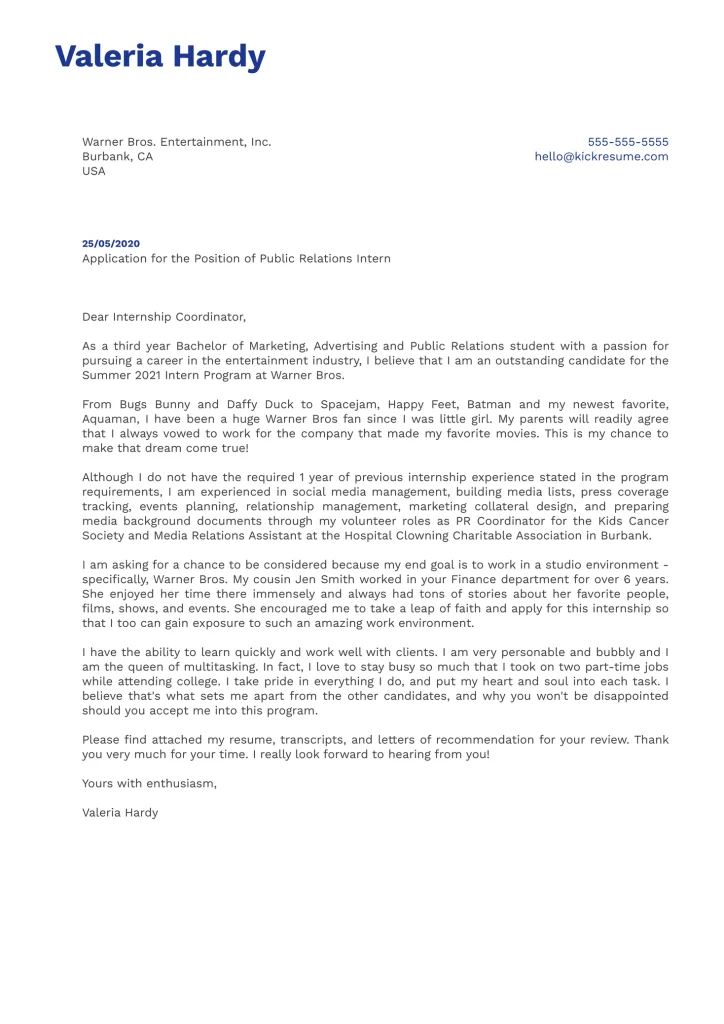
Generic applications rarely succeed. For each internship:
- Read the description carefully and highlight the skills you have that match.
- Write a short cover note explaining why you are interested in this specific role and company.
- Mention a relevant project or experience.
- Keep it concise and free of errors.
Applying to fewer, well-chosen internships with tailored applications usually works better than sending hundreds of identical ones.
Step 6: Prepare for the interview or assignment
Many internships involve a short interview or a task. Research the company, be ready to explain your projects and show enthusiasm for learning. If given an assignment, treat it seriously and deliver on time; it is often the main basis for selection.

Step 7: Make the most of it once you get in
- Be punctual, reliable and responsive.
- Ask questions and seek feedback.
- Take initiative, but clarify expectations before starting tasks.
- Keep notes of what you worked on and what you achieved; you will need this for your resume.
- Build relationships with your team. A good reference or a pre-placement offer can come from a strong internship.
Watch out for internship scams
- Asking for money: Genuine internships do not charge you a fee for joining, training, certificates or “security deposits”.
- Unrealistic pay: Very high pay for simple tasks is a red flag.
- No verifiable company: Check the company’s website, LinkedIn presence and reviews.
- Requests for sensitive data: Do not share bank details, OTPs or ID documents until you have verified the offer, and never share OTPs at all.
- Task-based “earn money” schemes: Liking videos or rating products for payment is a common scam pattern.
The bottom line
You do not need contacts to get your first internship. Build a solid resume and at least one strong project, search widely, reach out directly with tailored messages and prepare well. Every application and conversation brings you closer. Once you land your first internship, the next ones become much easier.