

Systematic Investment Plans, or SIPs, have become one of the most popular ways for Indians to start investing. Advertisements and finance influencers talk about them constantly. But many new investors start a SIP without understanding what it actually is, how it works or what risks it carries. Here is a plain-language explanation.
First, what is a mutual fund?
A mutual fund pools money from many investors and invests it in a portfolio of assets such as shares, bonds or a mix of both. The fund is managed by a professional fund manager at an asset management company (AMC). Mutual funds in India are regulated by the Securities and Exchange Board of India (SEBI).
When you invest, you buy units of the fund. The price of one unit is called the Net Asset Value (NAV), calculated at the end of each business day based on the value of the fund’s holdings.

What a SIP is
A SIP is simply a way of investing a fixed amount in a mutual fund at regular intervals, usually every month. For example, you might invest ₹2,000 on the 5th of every month. The amount is debited automatically from your bank account, and you receive units based on that day’s NAV.
A SIP is not a product in itself. It is a method of investing in a mutual fund. You can invest in the same fund through a SIP or through a one-time lump sum.

How a SIP buys units: rupee-cost averaging
Because you invest the same amount every month, you automatically buy more units when the NAV is low and fewer units when it is high. Over time, this can average out your purchase cost. This is called rupee-cost averaging.
For example, if you invest ₹2,000 a month and the NAV is ₹20 one month and ₹25 the next, you buy 100 units in the first month and 80 in the second. You do not need to time the market; the SIP smooths your entry over time.
Rupee-cost averaging reduces the risk of investing a large amount at a bad time, but it does not guarantee profits or protect against losses if markets fall over the period you invest.

Why SIPs are popular
- Small amounts: Many funds allow SIPs starting with small monthly amounts.
- Discipline: Automatic debits build a regular saving and investing habit.
- No market timing: You invest steadily instead of trying to guess the right moment.
- Compounding: Over long periods, returns can earn returns of their own, which is why starting early helps.
- Flexibility: You can usually increase, pause or stop a SIP.
Key terms to understand
- Equity funds: Invest mainly in shares. Higher potential returns over the long term, with higher short-term ups and downs.
- Debt funds: Invest in bonds and similar instruments. Usually less volatile than equity funds, but not risk-free.
- Hybrid funds: Invest in a mix of equity and debt.
- Index funds: Aim to track a market index such as the Nifty 50 or Sensex, generally at low cost.
- Expense ratio: The annual fee charged by the fund, expressed as a percentage of your investment. Lower is generally better, especially over long periods.
- Direct vs regular plans: Direct plans are bought directly from the fund house or through platforms offering direct plans, and have lower expense ratios. Regular plans include a distributor commission, which makes them costlier.
- Exit load: A fee some funds charge if you withdraw within a certain period.
- ELSS: Equity Linked Savings Schemes are equity funds with a three-year lock-in that have historically offered tax benefits under certain tax regimes. Check current tax rules.
Understand the risks
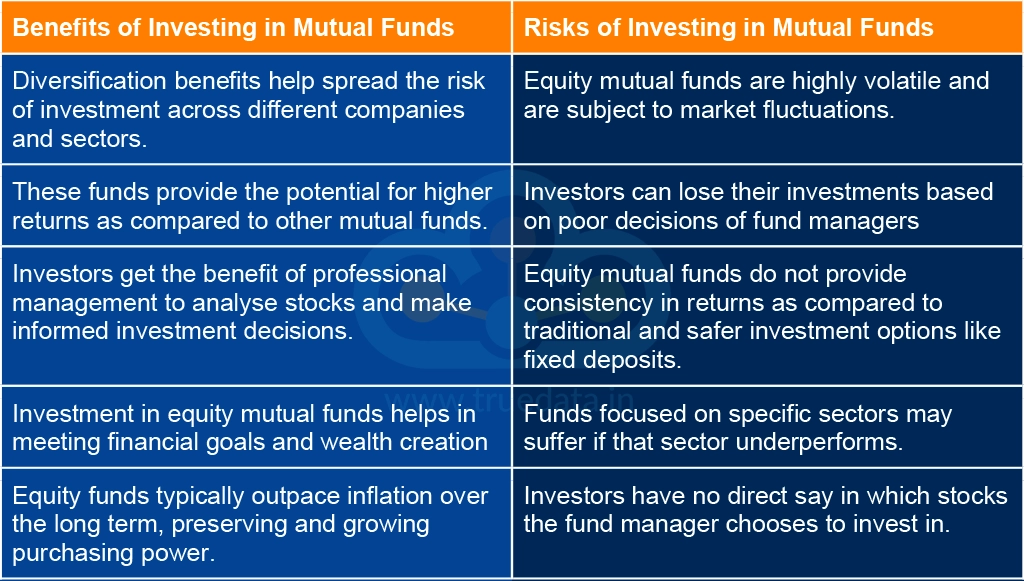
Mutual fund investments are subject to market risks. Equity fund values can fall significantly in the short term, and there is no guarantee of returns. Past performance does not guarantee future results. Debt funds carry interest rate and credit risks. Invest only money you will not need in the short term, and choose funds that match your goals and time horizon.
How to start a SIP
- Complete KYC: You will need PAN, Aadhaar or other address proof, and a bank account. KYC can usually be completed online.
- Define your goal: What are you investing for, and in how many years will you need the money?
- Choose suitable funds: Consider the fund category, consistency of performance over long periods, expense ratio and the fund house’s track record.
- Choose an amount and date: Pick an amount you can comfortably sustain and a date soon after your salary arrives.
- Use reliable platforms: Invest through the AMC directly, SEBI-registered platforms or registered advisers and distributors.
Mistakes to avoid
- Stopping SIPs during market falls, which is often when you buy units cheaply
- Investing in too many similar funds
- Choosing funds only because of recent high returns
- Expecting guaranteed returns
- Investing money you may need for emergencies
The bottom line
A SIP is a disciplined way to invest in mutual funds regularly, without trying to time the market. Understand what you are investing in, keep costs low, match funds to your goals and stay invested for the long term. If you are unsure, consult a SEBI-registered investment adviser.
Mutual fund investments are subject to market risks. This article is for general information only and is not investment advice.