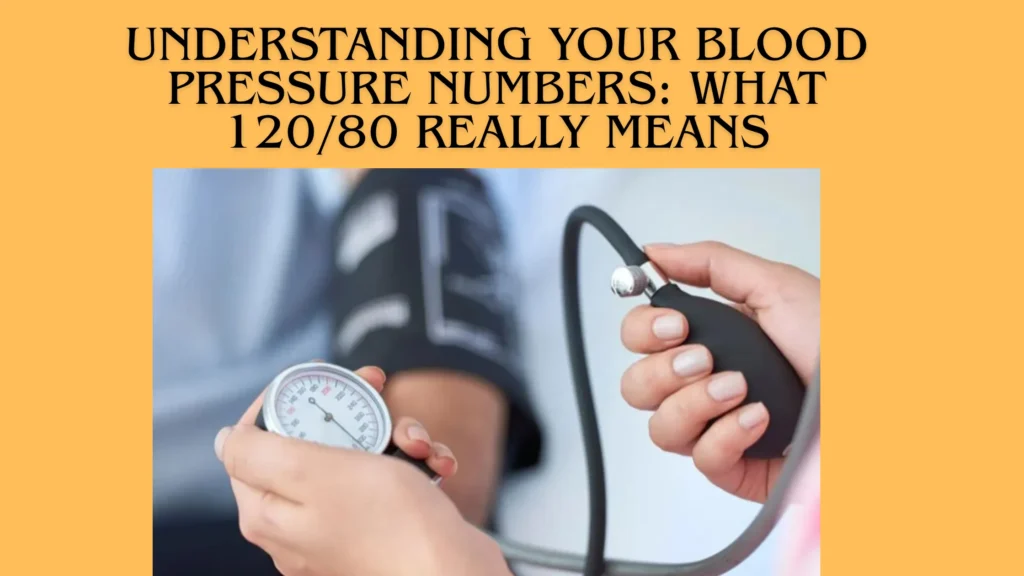
High blood pressure is often called a “silent” condition, because many people who have it feel completely well. Yet over time, uncontrolled high blood pressure can damage the heart, brain, kidneys and blood vessels, raising the risk of heart attack, stroke and kidney disease. Knowing your numbers, and understanding what they mean, is one of the simplest things you can do for your long-term health.
What the two numbers mean
A blood pressure reading is written as two numbers, such as 120/80 mmHg (millimetres of mercury).
- Systolic pressure (the top number): The pressure in your arteries when your heart beats and pushes blood out.
- Diastolic pressure (the bottom number): The pressure in your arteries when your heart is resting between beats.
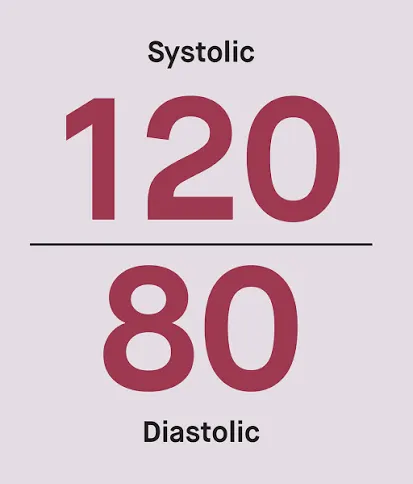
Both numbers matter. A high reading in either can indicate a problem.
How readings are classified
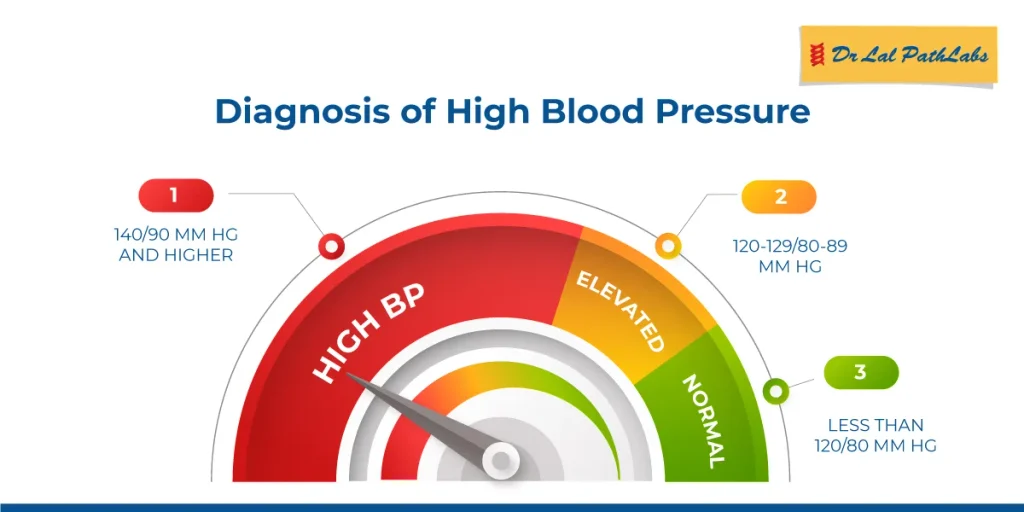
Different medical guidelines use slightly different cut-offs, so your doctor may use a particular system. As a general guide:
- Normal: Around 120/80 or lower is generally considered healthy for most adults.
- Elevated or “high-normal”: Readings somewhat above normal, but below the threshold for hypertension. This is a signal to make lifestyle changes.
- High blood pressure (hypertension): Many guidelines, including those widely used in India, diagnose hypertension when readings are consistently 140/90 or higher. Some guidelines, such as those used in the United States, use a lower threshold of 130/80.
- Very high readings: Readings of 180/120 or higher are dangerous. If they come with symptoms such as chest pain, severe headache, breathlessness, weakness, confusion or vision problems, seek emergency medical care immediately.
A single high reading does not mean you have hypertension. Blood pressure varies through the day and can rise with stress, activity, caffeine or even the anxiety of being at a clinic. A diagnosis is usually based on repeated readings over time.
Why high blood pressure matters
When blood pushes too hard against the artery walls for years, it gradually damages them. This can lead to:
- Heart attack and heart failure
- Stroke
- Kidney damage
- Damage to blood vessels in the eyes, affecting vision
The good news is that controlling blood pressure significantly reduces these risks.
Who is at higher risk
- People with a family history of high blood pressure
- Older adults, as blood pressure tends to rise with age
- People who are overweight, particularly with excess fat around the waist
- People who eat a lot of salt and processed foods
- People who are physically inactive
- People who smoke or drink alcohol heavily
- People with diabetes or kidney disease
- People under long-term stress or with poor sleep
How to measure blood pressure correctly at home
Home blood pressure monitors are widely available and can give a useful picture of your blood pressure over time. For accurate readings:
- Use a validated automatic upper-arm monitor with a cuff that fits your arm properly.
- Avoid caffeine, smoking and exercise for at least 30 minutes before measuring.
- Empty your bladder and sit quietly for about five minutes first.
- Sit with your back supported, feet flat on the floor and legs uncrossed.
- Rest your arm on a table so the cuff is at the level of your heart.
- Do not talk while measuring.
- Take two readings a minute or two apart and record both.
- Measure at the same times each day, such as morning and evening, and keep a log to share with your doctor.
Lifestyle changes that help
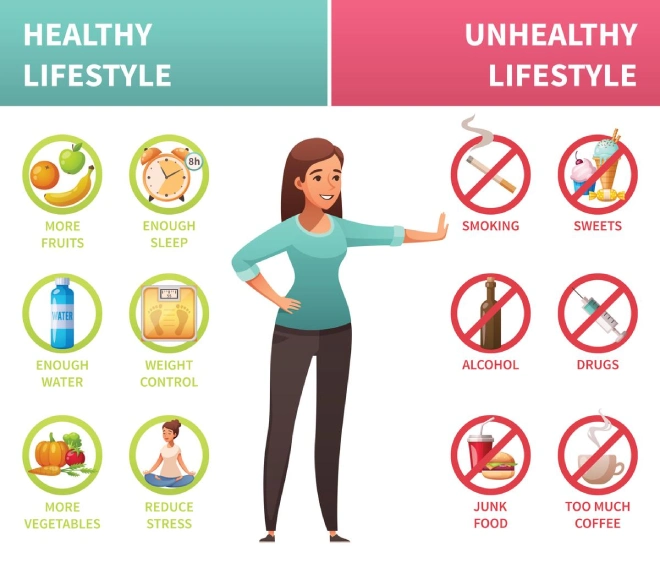
- Reduce salt: Cut down on pickles, papads, namkeen, processed foods and adding extra salt at the table.
- Eat more fruits, vegetables and whole grains: Diets rich in these foods are associated with lower blood pressure.
- Stay active: Regular moderate exercise, such as brisk walking, helps lower blood pressure.
- Maintain a healthy weight: Even modest weight loss can make a difference.
- Limit alcohol and stop smoking.
- Manage stress and sleep well.
When to see a doctor
Get your blood pressure checked regularly, at least once a year for most adults and more often if you have risk factors. If your readings are consistently high, see a doctor. Many people need medication in addition to lifestyle changes, and taking it as prescribed is important. Never stop or change blood pressure medicines without talking to your doctor.
The bottom line
Blood pressure is a number every adult should know. Measure it correctly, understand what the readings mean and act early if they are high. Simple lifestyle changes, and treatment when needed, can protect your heart, brain and kidneys for years to come.
This article is for general information and is not a substitute for medical advice. Consult a doctor for diagnosis and treatment.